


By Olivia Williams
Living off campus is the dream for many older students, who want more independence and the ability to live with partners. In order to do so, the students would need to be approved through the Online Housing Application.
The application has a few questions, with the main considerations for getting approved are being 21+, having Junior standing, having a 3.0(+) GPA and having reliable transportation. The committee that decides the approval or denial of applications is made up of Dan Falk, a representative from each; the athletics department, the business department, and the financial aid department. The four vote, and as long as there’s a majority vote, the application gets approved.
Something to note is that the committee also takes into account whether the student has a clean conduct in and out of school, and whether the student is involved in on-campus clubs and activities, how far away the student is wanting to live from campus, and whether or not the student is still wanting to be on the meal plan.
The college is open about why they’re so strict about off-campus requirements; when a student starts at the college, they are expected to live in campus housing their entire time here. When students want to move out, the college is upset because the college fears that students won’t be as involved in on-campus clubs and activities.
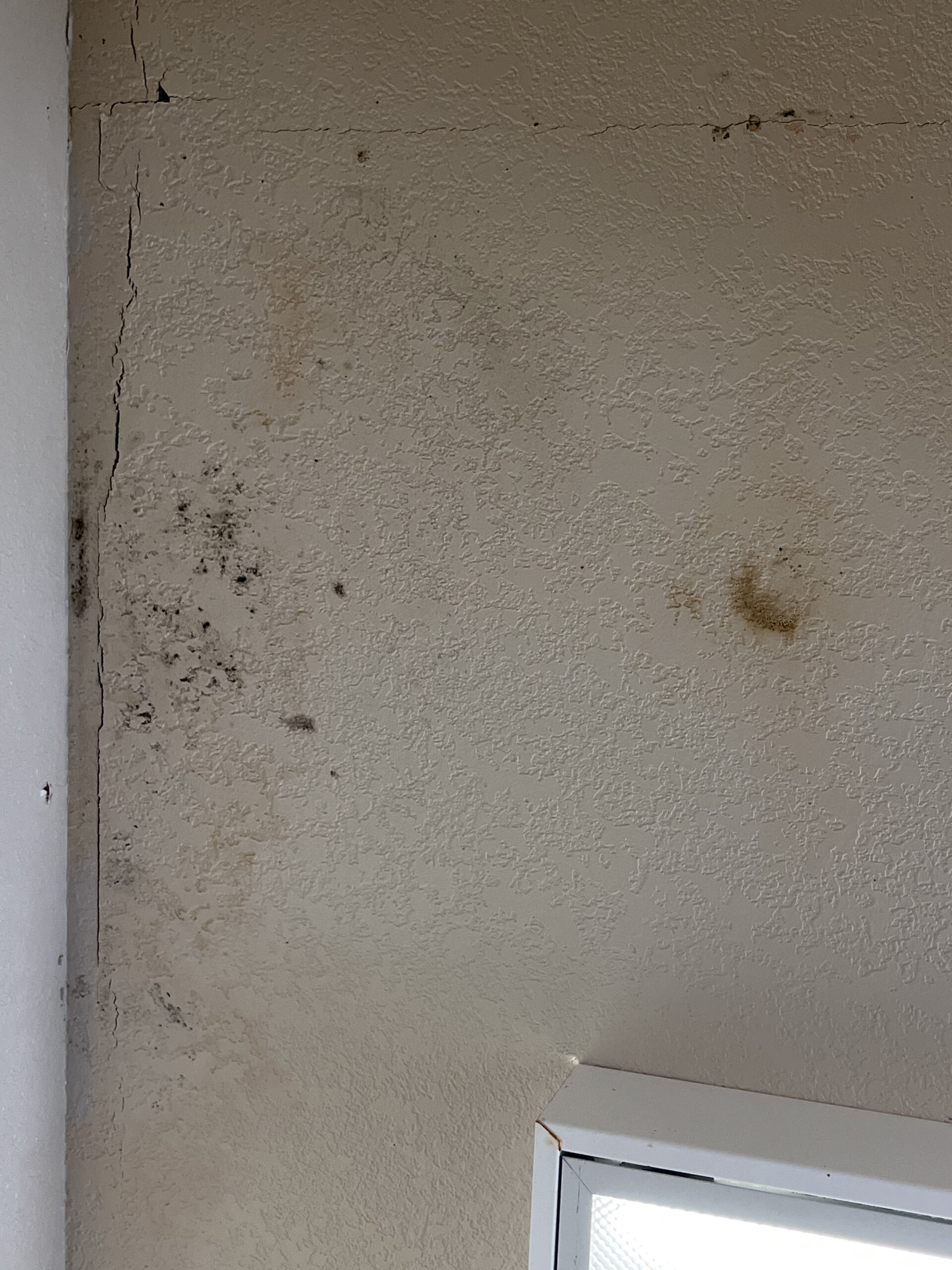
Why might students be wanting to live off campus? Great question! Most students that want to live off campus request to do so because of the amount of mold in the dorms, rust/lyme covered water spigots in showers, sinks, and water fountains, bad smelling/tasting water from water fountains, constantly breaking appliances and fixtures like windows, washing machines, ovens, stoves, lights, faucets, heating and cooling, power, keycards, Wi-Fi, and even their locks. Not to mention, the food served in the cafeteria is often complained about due to the improper temperatures of poultry and other meats, lack of sanitation and changing of gloves and utensils, the improper storage, serving, and cooking of allergen-free food items. The often wilty, slimy, mealy or moldy fruit and vegetables in the cold cases that aren’t changed or cleaned properly. Moldy fruit is often picked out of the existing trays and a fresh batch of fruit is rarely provided leading to the consumption of bleach-based cleaners or other unsafe chemicals, often leading to food poisoning or other food-illness related issues.
Why is this an issue? Mold exposure can lead to serious health problems down the road, often starting with more minor symptoms like headaches, fatigue, skin and eye irritation, rashes, respiratory issues, and can lead to bigger issues like Hypersensitivity Pneumonitis (Described as a rare but serious inflammatory lung disease with symptoms like fever, chills, muscle aches, cough, and shortness of breath), fungal infections, asthma, muscle and joint pain, digestive issues, weight gain, slight increased sensitivity to light and sound, brain fog, depression, anxiety, mood swings, memory problems, and potentially other cognitive and neurological issues. The issue with food being improperly cooked, stored, and handled in moderate cases can lead to severe nausea, vomiting, dehydration, moderate/severe abdominal pain, diarrhea, stomach cramps and fever.
While it’s relatively easy to fix said issues (clean up mold as you find it and take antihistamines, move away from where the mold is located, etc.) it’s something that the college doesn’t take seriously enough when reported. Due to this, students – once eligible – have been applying at larger and larger rates to live off campus, leading to the changing of requirements and location of the Online Housing Application in Bulldog Connect.